
In the UK, financial mistakes can stick to you like glue. A missed phone bill from three years ago or a default during a difficult period can result in a “Computer Says No” response from every major high-street bank.
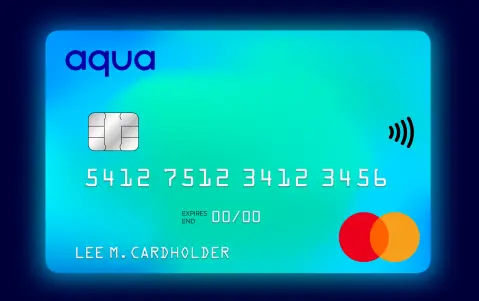
The Aqua Classic Credit Card exists to turn that “No” into a “Yes”.
With over 20 years of experience and more than 2 million customers helped, Aqua is arguably the heavyweight champion of the “credit builder” market. It is not designed for big spenders; it is designed for re-builders.
But is it still the best option in 2025? With competitors like Vanquis and Capital One fighting for the same customers, does Aqua’s “Coach” feature and promise of credit limit increases make it the superior choice?
In this review, we will analyse the real cost of the Aqua card, how its “SafeCheck” protects your file, and whether this plastic key can truly unlock better financial opportunities for you.
You will remain on the current site.
The Core Mission: Fixing Your “Financial CV”
The Aqua Classic is unashamedly a tool. You don’t get this card for the rewards or the prestige; you get it to manipulate your credit score upwards.
The mechanism is simple:
- Accessibility: Aqua accepts applicants that Lloyds, Barclays, or HSBC would reject immediately. They look at your current situation, not just your past mistakes.
- Reporting: Aqua reports your timely payments to the major UK Credit Reference Agencies (CRAs).
- The Result: A consistent “Green Tick” on your credit file every month proves to future lenders (like mortgage providers) that you are now reliable.
The “Aqua Coach”: More Than Just an App
Most credit cards have an app that shows your balance. Aqua goes a step further with Aqua Coach.
Integrated directly into the mobile banking app, this feature uses data (typically from TransUnion) to show you your credit score for free. But it doesn’t just give you a number; it explains why your number is what it is.
- It tells you what is hurting your score.
- It gives personalised tips on how to improve it.
- It acts as a motivator, showing your progress month by month.
For someone trying to navigate the confusing world of credit scores, having this built-in guide is a significant advantage over a basic Vanquis card.
The Limits: Starting Small to Grow Big
One of the fears of getting a credit card when you have had debt issues is the temptation to overspend. Aqua mitigates this with sensible starting limits.
New customers are typically offered a limit between £250 and £1,200.
- The Strategy: This low limit is a safety net. It prevents you from getting into deep debt while providing enough credit to buy fuel or groceries.
- The Growth: Aqua reviews your account regularly. If you stay within your limit and pay on time, you could be eligible for a credit limit increase every 4 months.
- Why this matters: A higher limit improves your “Credit Utilisation Ratio,” which boosts your score further—provided you don’t spend the extra money!
The Cost: The Price of a Second Chance
We must be transparent about the pricing. Sub-prime credit is expensive.
The Aqua Classic has a Representative APR of 34.9% (Variable).
- Context: This is significantly higher than a standard bank card (usually ~23%) but competitive for a bad credit card.
- The Risk: If you spend £500 and only pay the minimum, the interest will accumulate rapidly, making your purchase much more expensive.
The Golden Rule: The APR is irrelevant if you pay your balance in full. If you set up a Direct Debit to clear the full amount every month, you pay £0 in interest, and you get the credit-building benefits for free (as there is no annual fee).
Who Is This Card For?
The Aqua Classic is specifically tailored for:
- The Self-Employed: Who often struggle to prove income to rigid high-street banks.
- The “Credit Invisible”: People who have never borrowed and therefore have no score.
- The Recovering Borrower: Individuals with past CCJs or defaults (provided they are not currently bankrupt).
Aqua vs. The Rest
How does it stack up against its main rival, the Vanquis Bank card?
- Vanquis: Often has a slightly lower starting APR on some products, but can be aggressive with marketing.
- Aqua: Distinguishes itself with the Aqua Coach app and a slightly more “supportive” brand voice. The focus on helping you understand your score gives it the edge for customers who want education alongside credit.
Pros and Cons: The Quick Verdict
Pros (The Wins)
- High Acceptance Rate: Says yes to many with poor history.
- Aqua Coach: Excellent in-app tool for monitoring your credit health.
- Limit Increases: a clear path to higher limits every 4 months.
- No Annual Fee: Free to hold.
Cons (The Warnings)
- High Interest: 34.9% APR is painful if you carry a balance.
- Low Start Limits: £250 might feel restrictive for some users initially.
- FX Fees: Charges ~2.95% for spending abroad (not a travel card).
Final Thoughts: A Stepping Stone to Success
The Aqua Classic Credit Card is not a “forever card”. It is a stepping stone.
If you use it correctly—buying small items and paying them off in full immediately—it is one of the most effective tools in the UK for scrubbing a tarnished credit file clean. The addition of the Aqua Coach app makes it not just a payment method, but a financial education tool.
If you are ready to stop being rejected and start building a history that banks will respect, Aqua is a solid, safe, and proven place to start.
You will remain on the current site.