
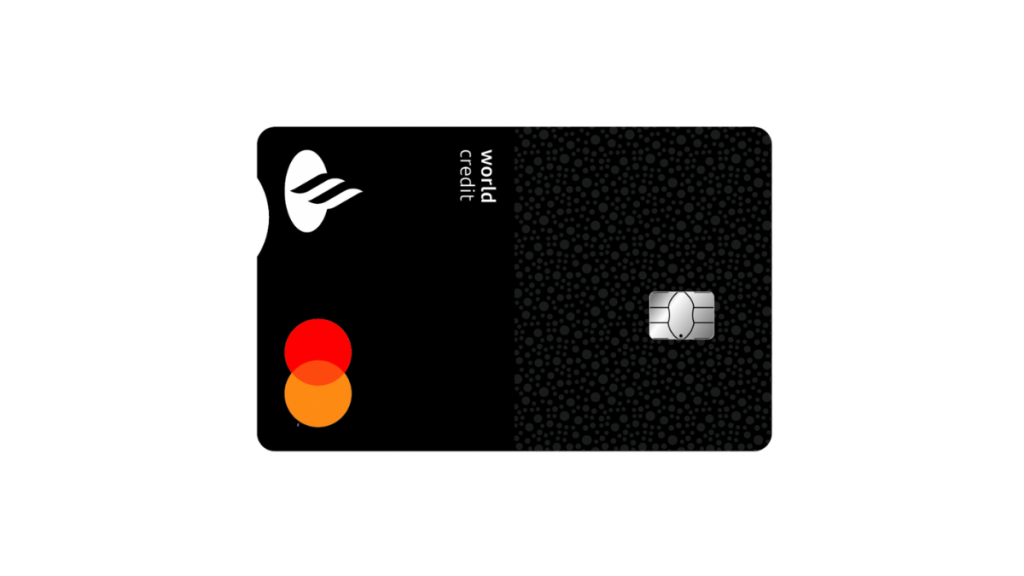
In a UK credit market saturated with “vanilla” products—some offering basic balance transfers, others offering meagre rewards—finding a single card that effectively combines debt management, cashback, and travel perks is akin to finding a unicorn.
Most consumers end up carrying a bulky wallet: one card for their holiday spending (to avoid fees), one for their weekly shop (to earn points), and perhaps another to park an old debt at 0% interest.
The Santander All in One Credit Card aims to replace them all.
It promises to be the ultimate “Swiss Army Knife” of finance. However, unlike the majority of credit cards in the UK which are free to hold, the Santander All in One operates on a subscription model: it charges a £3 monthly fee.
For many savvy savers, paying a fee for a credit card feels counter-intuitive. Why pay to borrow? The answer lies in the mathematics of the benefits. For the right user, this £36 annual cost is a drop in the ocean compared to the hundreds of pounds saved in foreign transaction fees and balance transfer charges.
In this comprehensive review, we will dismantle the fee structure, calculate the break-even points for cashback, and analyse whether the “No Balance Transfer Fee” offer makes this card the hidden champion of debt consolidation.
You will remain on the current site.
The Core Value Proposition: Why Pay a Monthly Fee?
To understand the value of this card, we must view it not as a standard credit product, but as a package of financial services. You are essentially paying £3 a month to access three distinct “premium” features that usually require separate specialist cards:
- A Fee-Free Balance Transfer Facility: Moving debt without the industry-standard 3% charge.
- A Global Travel Wallet: Spending abroad without the typical 2.99% markup.
- A Cashback Generator: Earning money back on every supermarket run or fuel stop.
If you only use one of these features occasionally, the fee might not be justified. But if you are an “optimiser”—someone who manages money actively—the synergy of these benefits can be powerful. Let’s break down each pillar.
Feature 1: The “No Fee” Balance Transfer (The Hidden Gem)
This is arguably the most financially significant feature of the card, yet it often gets overshadowed by the cashback offer.
Most 0% balance transfer cards on the market act like a see-saw: if they give you a long 0% period (e.g., 28 months), they charge you a heavy transfer fee (typically roughly 3% of your debt).
- The Standard Scenario: If you transfer a £4,000 balance to a typical competitor, you are hit with a £120 fee on day one.
The Santander All in One Difference: This card currently offers 0% interest on Balance Transfers for 15 months with NO balance transfer fee.
This is a game-changer for short-to-medium term debt.
- If you transfer that same £4,000 to Santander, the fee is £0.
- The Math: You save £120 instantly. Since the card costs £3 per month (£36 per year), the savings from the transfer fee alone cover the cost of owning the card for over three years.
If you can clear your debt within 15 months, this is mathematically one of the cheapest ways to borrow money in the UK.
Feature 2: The Cashback Calculation
Cashback is the feature that keeps this card in your wallet long after your debt is paid off. Santander offers a flat rate of 0.5% cashback on all sterling purchases, capped at £10 per month.
While 0.5% sounds modest compared to American Express, it has a crucial advantage: Acceptance. This is a Mastercard. You can earn that 0.5% at places that don’t take Amex, such as discount supermarkets (Lidl, Aldi), small independent cafés, and council tax portals.
The Break-Even Point
Because of the £3 monthly fee, you start each month in the red. You need to spend to get back to zero.
- Spend £0 – £599: You are technically losing money on the fee.
- Spend £600: You earn £3 cashback. (Break-Even Point). The card is now effectively free.
- Spend £1,000: You earn £5 cashback. Profit: £2.
- Spend £2,000: You earn £10 cashback. Profit: £7.
Key Takeaway: If your household credit card spending is consistently above £600 a month (on groceries, fuel, commuting, and utilities), the fee cancels itself out. If you hit the cap every month, you profit £84 per year—all while building your credit history.
Feature 3: The Traveller’s Best Friend
For frequent flyers or those who enjoy European city breaks, the “Non-Sterling Transaction Fee” is a silent budget killer. Most banks charge you 2.99% every time you tap your card abroad. Spend £1,000 on a family holiday, and you’ve donated nearly £30 to your bank.
The Santander All in One card removes this pain entirely. It offers 0% Foreign Transaction Fees on purchases made in local currency.
You get the near-perfect Mastercard exchange rate.
- Comparative Value: If you take just one holiday a year and spend £1,500 abroad, you save approximately £45 in fees compared to a standard bank card. That saving alone covers the annual cost of the Santander card (£36) with change to spare.
Warning: This benefit applies to purchases only. Using this (or almost any credit card) to withdraw cash from an ATM abroad is still expensive and should be avoided.
Feature 4: 0% on New Purchases
Finally, the card offers a “double” 0% period. Alongside the balance transfer offer, you get 15 months of 0% interest on new purchases.
This is excellent for cash flow management. If you need to buy a new laptop or book a holiday, you can put it on the card, earn your 0.5% cashback, and then spread the repayment over more than a year without paying a penny in interest. It effectively acts as a free loan for 15 months.
Eligibility: Who Can Apply?
This is a “Prime” financial product. Santander is selective. To be considered, you generally need to meet the following criteria:
- Income: A verifiable income of at least £10,500 per year.
- Credit History: A good credit score with no history of bankruptcy, IVAs, or recent CCJs.
- Status: You must be a permanent UK resident aged 18+.
The “Santander Rule”: You cannot transfer a balance from another Santander card or a cahoot card. This card is strictly for bringing debt in from competitors like Barclaycard, HSBC, or Lloyds.
Comparison: All in One vs. Everyday Long Term
Santander offers two main cards. Which one should you choose?
- Choose the “Everyday Long Term” if: Your main priority is sheer survival time. If you have a huge debt and need 30+ months to pay it off, the Everyday card is better, despite the transfer fee, because it gives you double the time to pay.
- Choose the “All in One” if: You have a smaller debt that you can clear in 15 months OR if you travel and spend regularly. The “No Fee” transfer and the travel perks make the All in One a far superior lifestyle product.
Pros and Cons Breakdown
Pros
- No Balance Transfer Fee: Saves roughly £30 per £1,000 transferred compared to market average.
- Fee-Free Spending Abroad: Essential for travellers.
- 0.5% Cashback: Consistent rewards on Mastercard spending.
- Versatility: One PIN, one app, multiple solutions.
Cons
- The Monthly Fee: £3 per month adds up if you leave the card inactive.
- Cashback Cap: You can’t earn more than £10/month, limiting value for big spenders.
- Shorter 0% Period: 15 months is good, but dedicated balance transfer cards offer 28+ months.
Final Verdict: Is It Worth It?
The Santander All in One Credit Card is a sophisticated financial tool disguised as a simple piece of plastic.
If you are looking for a “free” card that you will barely use, this is not for you. The monthly fee will annoy you.
However, if you are looking for a card to work hard for you—saving you £100+ on a balance transfer fee, protecting you from FX charges on your summer holiday, and giving you £10 back on your grocery shopping every month—then the math is undeniably in your favour.
For the active user, the £3 monthly fee unlocks hundreds of pounds of annual value, making it one of the smartest “All Rounder” cards in the UK market today.
You will remain on the current site.